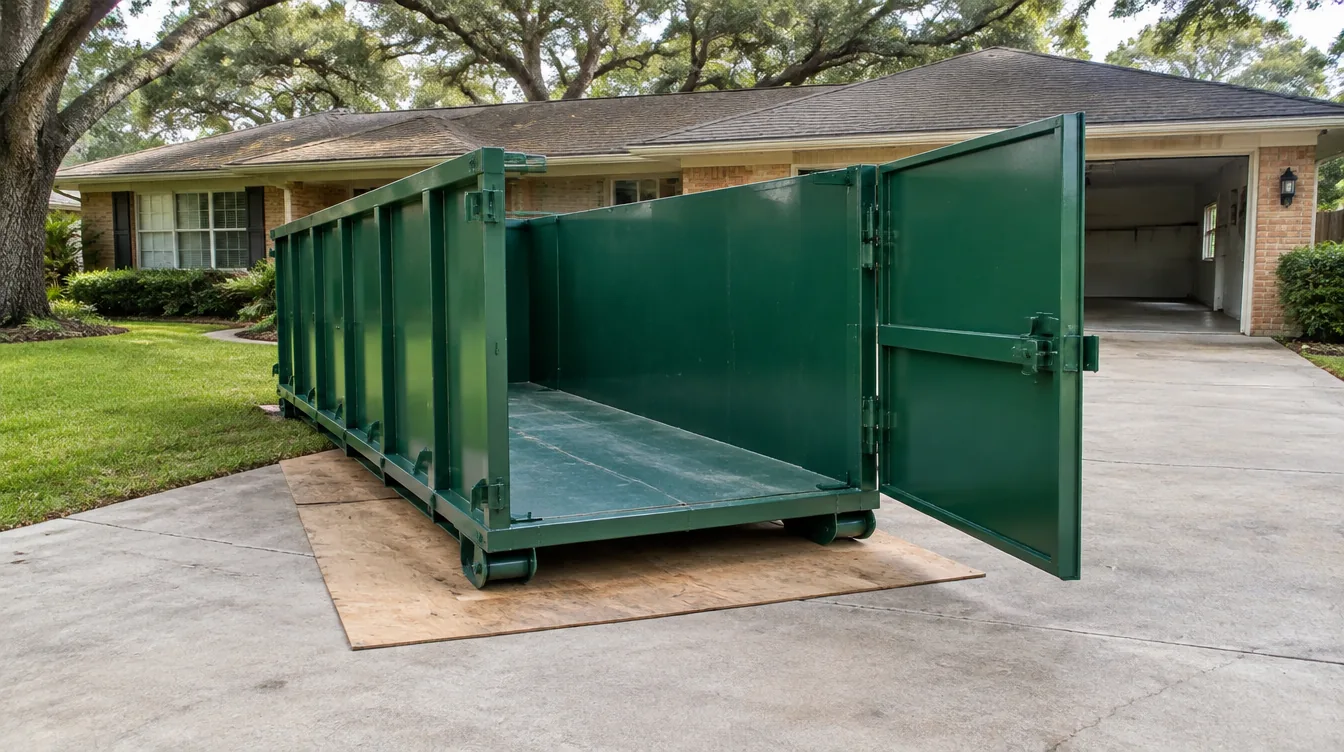
Property Cleanout Dumpster Rental in Spring Branch
Property cleanout dumpster rental in Spring Branch provides a self-loaded container for a planned turnover or contents cleanup, with loading help arranged separately. Establish which belongings may be removed, then organize the material and access needed to clear the property.
Begin with a clear removal scope
A turnover goes more smoothly when everyone knows what is being retained, repaired and discarded. Create a room-by-room inventory before loading starts. Mark fixtures, appliances, keys, documents and any items whose status is unresolved so a container does not turn an uncertain decision into an irreversible disposal.
The person responsible for the property should establish authority to remove contents before the cleanup. A container rental is an equipment and disposal arrangement; it does not decide ownership or resolve a dispute over belongings. For a rental or managed property, follow the applicable process for the actual situation before directing anyone to load possessions.
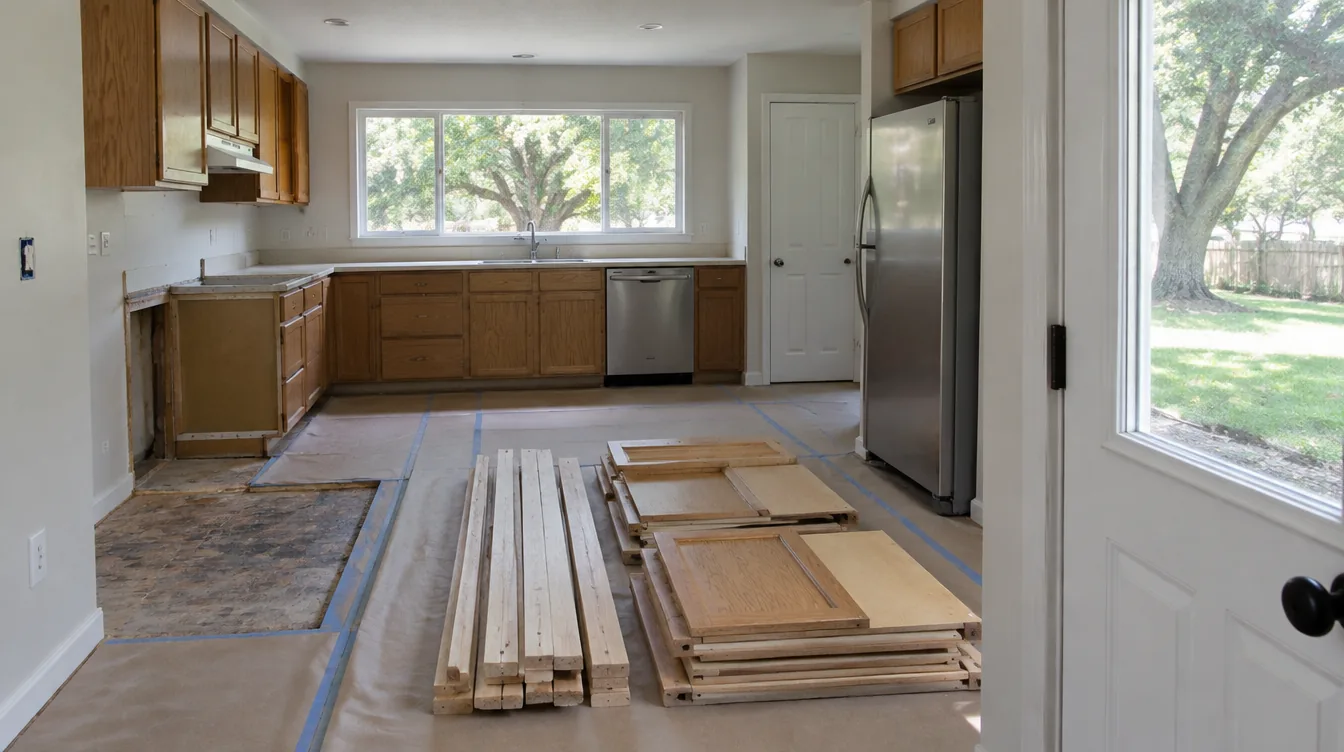
Once the removal scope is clear, separate loose contents from renovation material. A turnover may involve furniture, carpet, cabinets and maintenance leftovers, but those categories do not all have the same acceptance or loading requirements. A short written inventory makes the request easier to quote and gives the loading team a consistent plan.
Plan one container around a defined phase
A contents cleanup and a repair project can run into each other. Decide whether the first rental is for the original contents, the renovation debris or both. Combining phases may be practical when the materials and terms fit; it can also consume capacity before the next trade begins working.
Use separate rough quantities for each part. For example, describe a group of furniture items apart from the flooring being removed, rather than requesting a whole-property dumpster. Specific descriptions help identify which materials need review and whether the amount is likely to change during work.
For projects with multiple loading sessions or hauls, discuss the sequence up front. A container is not an unlimited outlet for every later repair. If the plan expands from clearing rooms to demolition or exterior work, update the material and quantity before adding the new waste stream.
Compare containers by bulk and working space
A smaller contents cleanup may begin with the 12 yard option, which has a published footprint of 10 feet by 8 feet and 4-foot-6-inch sides. The 20 yard container is 16 feet long with the same width and side height. These dimensions help compare the site, but they do not define truck operating clearance.
For a larger bulky load, the 30 yard option offers an 18-foot length and 6-foot sides. Compare the taller loading height against the lower-sided 20 yard box. The right choice balances the intended material, quantity and practical loading route rather than simply taking the largest size.
The 40 yard container is generally not delivered to residential sites. Concrete and dirt require a designated 16 yard setup and material-specific limit. These distinctions prevent a larger cleanup label from overriding the actual equipment and material requirements.
Give residents, trades and collection a workable route
Placement has to support more than the initial drop-off. Think through how residents, cleaners, repair trades and delivery vehicles will move around the property while the box is present. A convenient location for one person can block a shared drive, entrance or collection route for someone else.
Identify gates, parked vehicles, overhead wires, branches, restricted work hours and the proposed surface. Include slopes or soft ground in the request. The delivery truck needs operating room beyond the container's dimensions, and the rear swing-out door needs a usable loading area.
For a shared property, resolve permission for the exact placement space and the period it will be occupied. Keep gate codes and sensitive access details for the direct scheduling conversation rather than posting them publicly. Leave the truck approach clear when the contents work is complete so collection can be arranged without moving another project's materials first.
Know which turnover contents need review
List furniture, appliances and fixtures individually for acceptance review. A blanket description such as tenant leftovers leaves important questions unanswered. An appliance may need preparation or a different disposal route, while an unusually heavy item may require handling help even if its disposal is approved.
Exclude paint cans, liquids, whole used or scrap tires, gases or compressed chemicals, hazardous and medical waste, carcasses and asphalt roofing material or shingles. Set aside unknown products discovered in cabinets, garages or exterior storage until their identity and disposal route are clear. Do not pour or conceal them in an ordinary cleanup load.
If repair work exposes dense material, describe concrete, dirt, tile, brick or other masonry separately. Concrete and dirt go through the designated 16 yard planning process. The materials guide helps connect the inventory to the right acceptance discussion.
Keep the rental quote separate from the work order
A property-cleanout work order may cover carrying, cleaning, dismantling, repairs and waste removal. The container quote covers the agreed rental scope, with loading assistance arranged separately. Write down who is doing each task so the property manager can compare the actual total cleanup plan.
The quote should address container choice, delivery, collection, agreed rental period and disposal allowance, along with circumstances that could produce extra charges. Changes in debris, weight, access or timing can change the plan. An equipment maximum is not an included weight allowance, and a quoted rental is not approval for every later load.
Include the project ZIP, desired dates, approximate material quantities and who will coordinate on site. If the size is uncertain, say so. A direct description is more useful than a guessed container followed by unexpected additions. See how to compare complete rental quotes before approving the disposal portion of a larger turnover budget.
Technical planning: mixed contents and phased loading
Separate waste streams before they reach the container
A waste stream is the type and condition of material being discarded. Household contents, wood and drywall, and dense excavation material behave differently in a load. Keeping those categories visible during the estimate makes both capacity and disposal questions clearer.
Mixed loads are harder to describe once everything is buried together. Sort unusual items and dense material before carrying begins, and give the loading team the approved material list. If the contents change, pause that portion of the work rather than letting the original turnover description stand in for a new disposal decision.
Volume, weight and collection access work together
Cubic yards describe space. A bulky contents load may use that space before reaching a weight limit; dense material can do the opposite. Preserve the top-rail limit and any lower material-specific limit. Capacity is not permission to stack above the sides or substitute a general-debris box for the required concrete and dirt setup.
Collection access is another operating limit. Material stored beside the box, parked trade vehicles or a newly erected barrier can prevent the truck from reaching it even when the load itself is ready. Include collection access in the daily site plan until the container has left.
Request a container for a defined property cleanup
Send the property type, project ZIP, contents inventory, likely repair debris and preferred timing through Long Point Roll-Off. Identify the site contact and placement concerns, and explain any separate loading needs. Keep unresolved ownership and access decisions out of the loading instructions until they have been settled.
Request a property cleanout rental quote. If the main work is renovating rather than clearing contents, use the remodeling rental guide to describe the demolition materials and project phases.Answered Questions
Who handles sorting and carrying during a property cleanout?
You or help arranged separately handle sorting, carrying and loading. Establish which contents may be removed and assign the work before delivery, then request the container and disposal plan for the material you intend to load.
Can renovation debris go in the turnover container?
Describe renovation debris before adding it to the plan. Wood, drywall, flooring, fixtures and dense material need clear identification; concrete and dirt require the designated 16 yard setup. Asphalt roofing material and shingles are excluded.
Who should meet the delivery driver?
Arrange a site contact who can answer placement questions and approve the final location. Give the scheduling conversation any work-hour restrictions or gate access details, and make sure the collection route remains available after the loading crew finishes.