20 Yard Dumpster Rental in Spring Branch
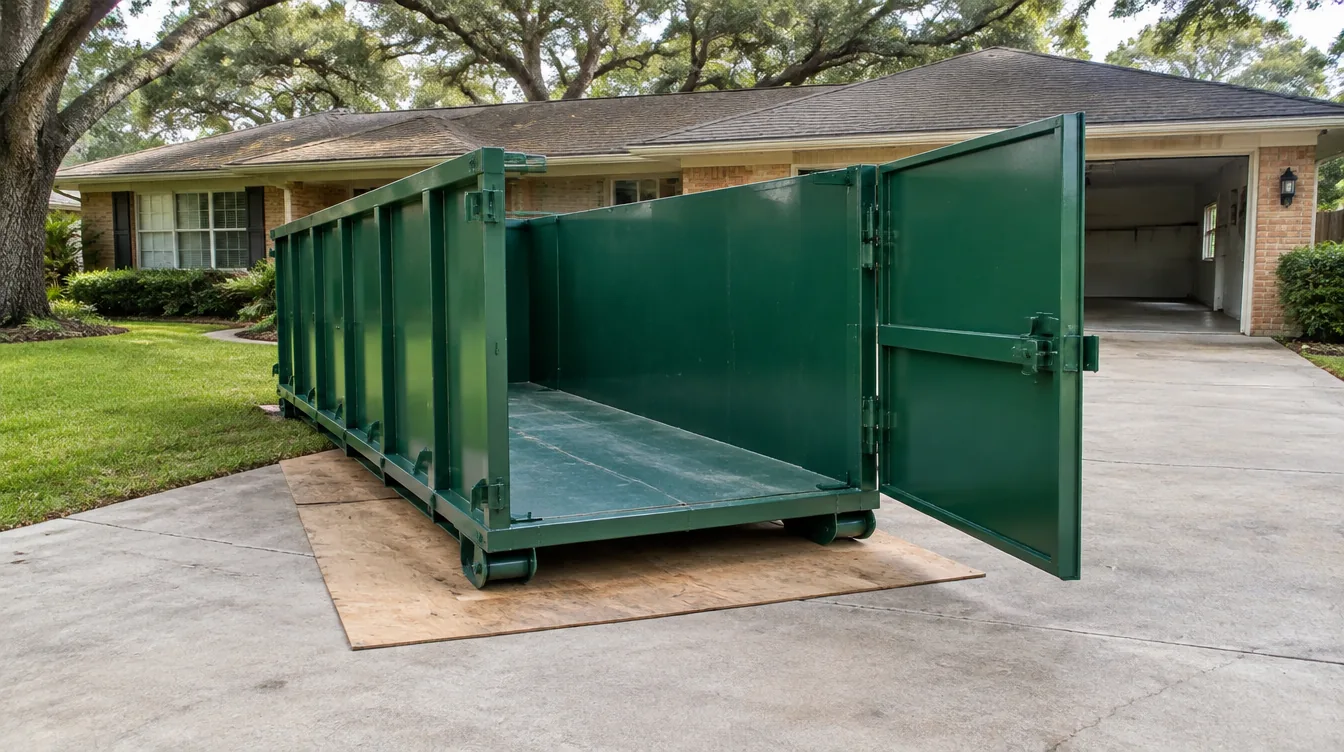
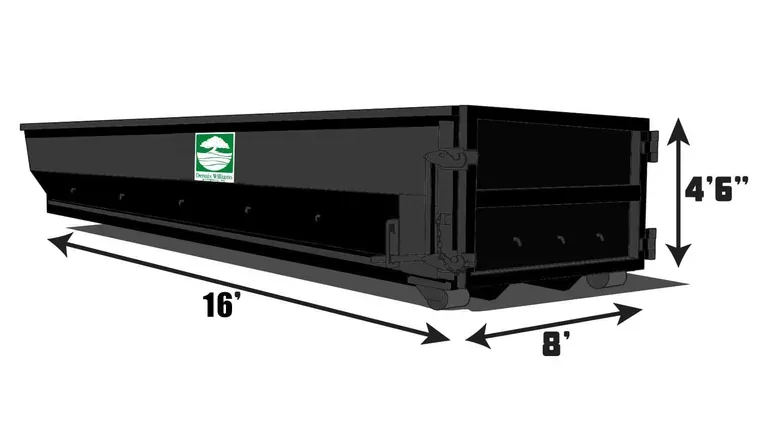
20 yard dumpster rental in Spring Branch is an option for medium cleanup and renovation loads when the material and site fit the plan. The published container measures 16 feet long, 8 feet wide and 4 feet 6 inches high, with a rear door for walk-in loading when safely placed and open.
Match the 20 yard option to the work you will actually load
The 20 yard container gives you a volume choice for medium cleanup and renovation debris. It can be worth comparing for a sorted garage project, a moving cleanout or a remodel with reviewed materials. The project name alone does not establish the right size, so begin with the objects and debris that will enter the box.
Separate bulky items from loose material in your estimate. A pile of cabinet sections, a group of intact furniture items and bagged cleanup debris occupy space differently. Identify unusual or heavy contents before counting them as part of an ordinary load.
The rental is self-loaded, with loading help arranged separately. Choose equipment that works with the people, carrying route and loading method you have planned. More capacity is useful only when you can load the approved material and keep the site accessible for collection.
Published dimensions and the rear loading door
| Measurement | Published dimension | What to consider |
|---|---|---|
| Length | 16 feet | Placement and approach need more than the parked length. |
| Width | 8 feet | Check entrances, turns and working room separately. |
| Height | 4 feet 6 inches | Compare with the 30 yard container's taller sides. |
The rear door allows walk-in loading when the container is safely positioned and the door is open. Plan its orientation in relation to the material source. A usable path to the door can be more important than placing the box as close as possible to a building entrance.
The container dimensions do not include the truck's operating space or the area needed for the open door. Show the proposed location, nearby obstructions and the route from the street. The driveway placement guide helps distinguish the space occupied by the box from the space required to deliver and collect it.
Compare the 12 yard and 30 yard alternatives
The 12 yard roll-off is 10 feet long with the same 8-foot width and 4-foot-6-inch height. It is worth comparing for a smaller cleanup when the waste quantity fits and the shorter parked footprint helps the site plan. Choosing smaller still requires a realistic estimate of bulky items and empty spaces.
The 30 yard roll-off is 18 feet long, 8 feet wide and 6 feet high. It adds nominal volume and taller sides. Compare it when the project creates more bulky material, while considering how people will reach the load and whether the proposed placement still works.
Capacity is not a substitute for material suitability. Neither choosing 20 yards nor moving up to 30 approves concrete or dirt in a general-debris container. Those materials require the designated 16 yard setup. The size comparison brings those differences together before you request the equipment.
Review the material before delivery
Lumber, drywall and bulky renovation debris provide a useful starting description, but identify each actual material in the request. Furniture, appliances, fixtures and unusual contents need specific acceptance review. A generic construction or household label can hide items that require another disposal route.
Keep asphalt roofing material and shingles out of the rental. Other exclusions include paint cans, liquids, whole used or scrap tires, gases or compressed chemicals, hazardous and medical waste, and carcasses. Separate stored products and unknown containers while sorting instead of allowing them to disappear under a load.
Concrete and dirt require the designated 16 yard option and its material-specific loading limit. Identify tile, brick, block and other dense material separately as well. Use the materials guide to prepare a complete list rather than assuming a larger box grants wider acceptance.
Keep a practical loading and collection route
Start with the carrying route from the project to the rear door. Keep retained belongings and new building supplies in a different area. On a remodeling project, the location must work for the tear-out, incoming deliveries and the trade that follows, not only for the first day of demolition.
Mention gates, tight turns, overhead wires, branches, awnings, slopes, soft ground and surface concerns. A delivery plan needs the full approach, not just a photograph of an empty parking space. Resolve permission before using shared or public space, and identify who can approve the final position on delivery day.
Collection needs continued access. Parked vehicles and stacked supplies can block the truck after the container is loaded. Keep the route usable through the agreed collection process, and discuss schedule changes before the rental period ends. See delivery preparation for the site details to send with your request.
Build a complete 20 yard quote
A useful quote connects the equipment to the material, quantity, address and rental plan. Include the rough pile size, largest objects, project ZIP and desired dates. If you are comparing a 20 yard container with another option, explain why: more room, lower sides or placement space are different decisions.
Check delivery, collection, the agreed rental period, disposal allowance and any conditions for additional charges. An equipment maximum is not the allowance included in the price. Extra time, changed materials or another haul should be discussed as changes to the plan rather than treated as automatic inclusions.
A fixed universal rate would not describe all of those variables. Compare the complete scope with the rental cost checklist. You can request help choosing a size without committing to equipment or making a paid booking through the form.
Technical detail: usable volume and loading access
Why a nominal 20 yards is not a weight allowance
Cubic yards measure volume. Weight depends on the material occupying that volume, so a bulky cleanup and a dense load can reach different operating limits. The size name does not state the disposal weight included in your quote or approve filling every material to the top.
Keep the load below the top rail and any lower material-specific limit. A dense material can reach its allowed weight while there is still visible space in the box. The right response is to follow the designated material plan, not to cover it with lighter waste and continue filling.
Why rear-door planning changes the loading job
Walk-in access can provide a route for material without requiring every item to be lifted over a sidewall, but that benefit depends on safe placement and an open door. The space outside the door is part of the work area. Plan it before delivery so the opening remains useful as the load grows.
Do not assume that door access makes an object safe to move. Heavy appliances, awkward furniture and dismantling work still need appropriate people and equipment arranged separately. Keep the route stable and clear, and change the handling plan if the item cannot be managed safely.
Request a 20 yard rental comparison
Send Long Point Roll-Off a description of the material, approximate quantity, Spring Branch project ZIP, preferred timing and proposed placement. Mention dense material and unusual items by name. If you need separate loading help, include that in the scope rather than assuming it comes with the box.
Request a 20 yard dumpster quote. If the main uncertainty is the amount, compare the 12 yard and 30 yard choices alongside the actual pile.Answered Questions
Does the 20 yard container have a loading door?
The published 20 yard description includes a rear door for walk-in loading when safely positioned and open. The placement plan needs space for that door and the carrying route, beyond the parked container dimensions.
Can I put concrete in the bottom and household debris above it?
Concrete and dirt require the designated 16 yard setup. Mixing them underneath another load does not replace the material-specific plan. Identify all dense material before choosing the container.
Is a 20 yard dumpster guaranteed to fit a two-car garage cleanup?
No project label guarantees capacity. The actual objects, rough quantity, packing space and materials determine the comparison. A sorted inventory helps decide whether the 20 yard option suits the work better than the 12 or 30 yard alternatives.