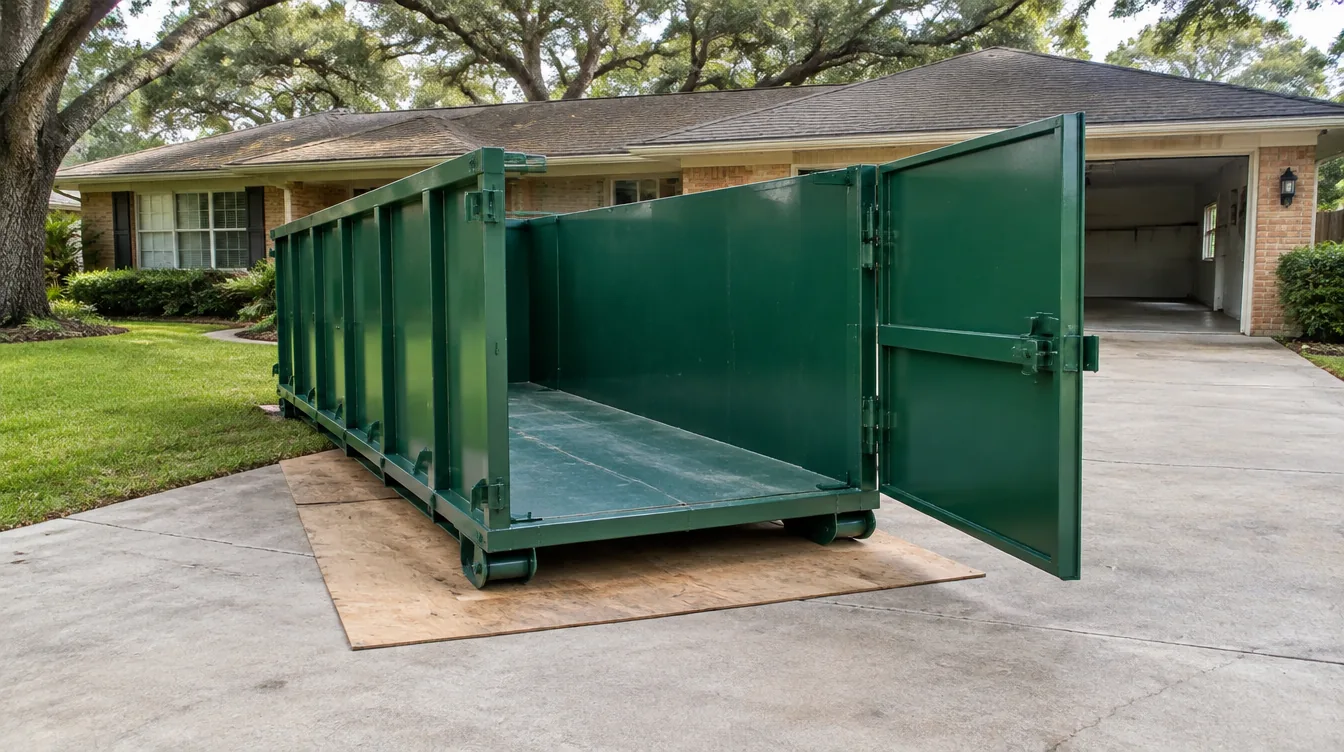
12 Yard Dumpster Rental in Spring Branch
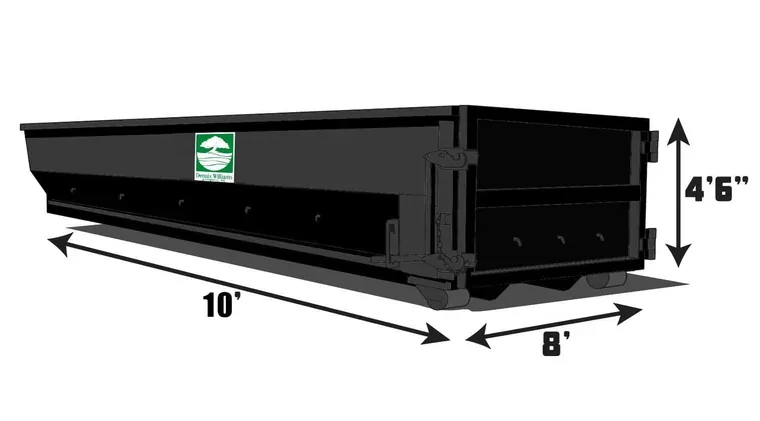
12 yard dumpster rental in Spring Branch is a starting point for a smaller cleanup when the material, quantity and access suit the container. The published roll-off measures 10 feet long, 8 feet wide and 4 feet 6 inches high; you load it, with help arranged separately.
Choose the smaller box for a defined cleanup
The 12 yard roll-off is the smallest published container option. Its short length makes it worth comparing when a cleanup is modest and placement space matters. Start with the actual discard pile: a smaller renovation, a sorted garage area or moving-related decluttering can each produce a different mixture of bulky objects and loose debris.
Size is a starting point, not a promise that a named project fits. A garage full of boxes that can be flattened uses space differently from intact furniture or shelving. List large objects separately, describe loose material by type and give a rough estimate of the pile. That information is more useful than relying on a room count.
Use the garage cleanout plan or moving cleanup plan to organize the work before delivery. A container is easier to choose after you have separated what stays, what may be reused and what you intend to discard.
The published 12 yard dimensions
| Measurement | Published dimension | Planning consequence |
|---|---|---|
| Length | 10 feet | Compare the parked footprint with the proposed space. |
| Width | 8 feet | Allow additional working room around the box. |
| Height | 4 feet 6 inches | Plan how material reaches the container safely. |
These dimensions describe the container, not the truck operation. An opening that is wider than 8 feet does not automatically establish delivery access. The approach, turns, overhead obstacles, surface and working area all matter. Show the proposed location and the route to it when describing the site.
The rear swing-out door also needs room. Plan where the material will come from and leave a useful path to the door. A box placed in an otherwise empty driveway can still be awkward to load if the door faces a wall, parked vehicle or retained belongings.
Compare 12 and 20 yards before choosing by footprint alone
The 20 yard container is 16 feet long and 8 feet wide, with the same published 4-foot-6-inch height. It offers another volume choice while keeping a similar side height, but its longer footprint changes where it can sit and how the truck reaches the position.
Choose between them using the likely waste quantity and your loading sequence. If the 12 yard estimate depends on every object fitting perfectly, describe that concern before scheduling. Conversely, a larger box does not solve material acceptance, heavy-load limits or a carrying route that is unsuitable for the items.
The published trailer is 16 feet long and 8 feet 6 inches wide. It is longer and wider than the 12 yard roll-off, so the word trailer does not automatically mean a smaller placement option. Use actual dimensions in the fleet comparison rather than assuming one equipment style is more compact.
Identify the load before you schedule
Describe furniture, appliances, fixtures and unusual items individually for acceptance review. Household cleanup is a project category, not blanket approval for everything found in a home. List the objects, their approximate amount and whether they are mixed with renovation material.
Paint cans, liquids, whole used or scrap tires, gases or compressed chemicals, hazardous and medical waste, carcasses and asphalt roofing material or shingles are excluded. Keep those materials separate while sorting. An item that is convenient to carry to the box may still need a different disposal route.
Concrete and dirt require the designated 16 yard setup with its own material-specific loading limit. Do not choose the 12 yard for a dense load simply because it is physically smaller. The material guide explains why contents and nominal capacity have to be considered together.
Plan delivery, loading and collection as one job
Photograph the driveway or placement area from more than one angle. Include the entrance, any narrow turn, gates, overhead branches or wires and the point where the container could sit. Mention slopes, soft ground and surface concerns rather than assuming a clear rectangle is sufficient.
Loading is self-managed or handled by help you arrange separately. Decide how you will move the material and whether anything needs dismantling or disconnecting before the container arrives. Rear-door access can help with the route, but it does not supply the labor or handling equipment for a heavy object.
Keep the approach and rear-door area available until collection. A cleanup often moves retained items outside temporarily, and those piles can block the very space the truck needs later. Use the delivery preparation guide to check both the initial drop-off and the eventual pickup.
What belongs in a 12 yard rental quote?
The useful price is the complete quote for the material, address and rental plan. Check the container, delivery, collection, agreed rental period and included disposal allowance. A smaller nominal size is not a complete statement of the price or the load it includes.
Ask which changes in weight, debris, access, rental time or hauling could create additional charges. An equipment maximum is separate from an included disposal allowance. If you expect to load in several sessions or may need more time, describe that while requesting the plan rather than assuming an extension is included.
You do not need to choose a size before requesting help. Give the Spring Branch project ZIP, waste description, rough quantity and preferred dates. The rental cost guide gives a practical comparison checklist when several quotes use different starting figures or terms.
Technical detail: nominal capacity and a practical fill plan
Why the outside measurements are not a fill calculation
The size name describes nominal capacity in cubic yards. Published length, width and height help compare the equipment's outside envelope, but multiplying them is not a reliable way to determine the usable load. Container shape, the door area and the spaces between irregular items affect how a real pile occupies the box.
Treat volume estimates as planning aids. Flatten empty packaging where practical and describe awkward objects rather than pretending the load packs into a solid rectangular block. If you cannot safely reduce an object's bulk, keep its intact size in the estimate.
A lower material limit can control before the top rail
The top rail is the highest boundary for approved ordinary material, and the actual order may set a lower limit for a particular waste stream. A dense load can reach its allowed weight before its volume is used. Filling to the rim is not a universal rule for every material.
Follow the agreed limits and preserve collection access. If the material changes during the cleanup, update the plan before adding it. The 12 yard box is useful when its capacity, material terms and site fit the task together, not when only one of those conditions works.
Request a 12 yard comparison for your project
Tell Long Point Roll-Off that you are considering the 12 yard option and explain what you need to remove. Include the largest objects, any dense or unusual material, your project ZIP, timing and proposed placement. Mention loading help separately so the request describes the whole cleanup plan.
Request a 12 yard dumpster quote, or compare the 20 yard option if the pile may need more volume. The request starts a discussion of suitability, price and availability; it does not reserve equipment.Answered Questions
Is the 12 yard the smallest published roll-off?
Yes. The published fleet begins with a 12 yard roll-off measuring 10 feet long, 8 feet wide and 4 feet 6 inches high. Its suitability still depends on the material, quantity and actual delivery access.
Can I use the 12 yard for concrete because the pile is small?
Concrete and dirt require the designated 16 yard setup. A physically smaller box does not replace the heavy-material loading plan, and a dense pile needs its own quantity and acceptance discussion.
Does a 10 foot container require only 10 feet of driveway?
No. The parked length is only one part of the operation. The truck needs working room, the rear door needs space to open and the loading route must stay usable. Describe the approach and placement instead of treating the footprint as a clearance specification.