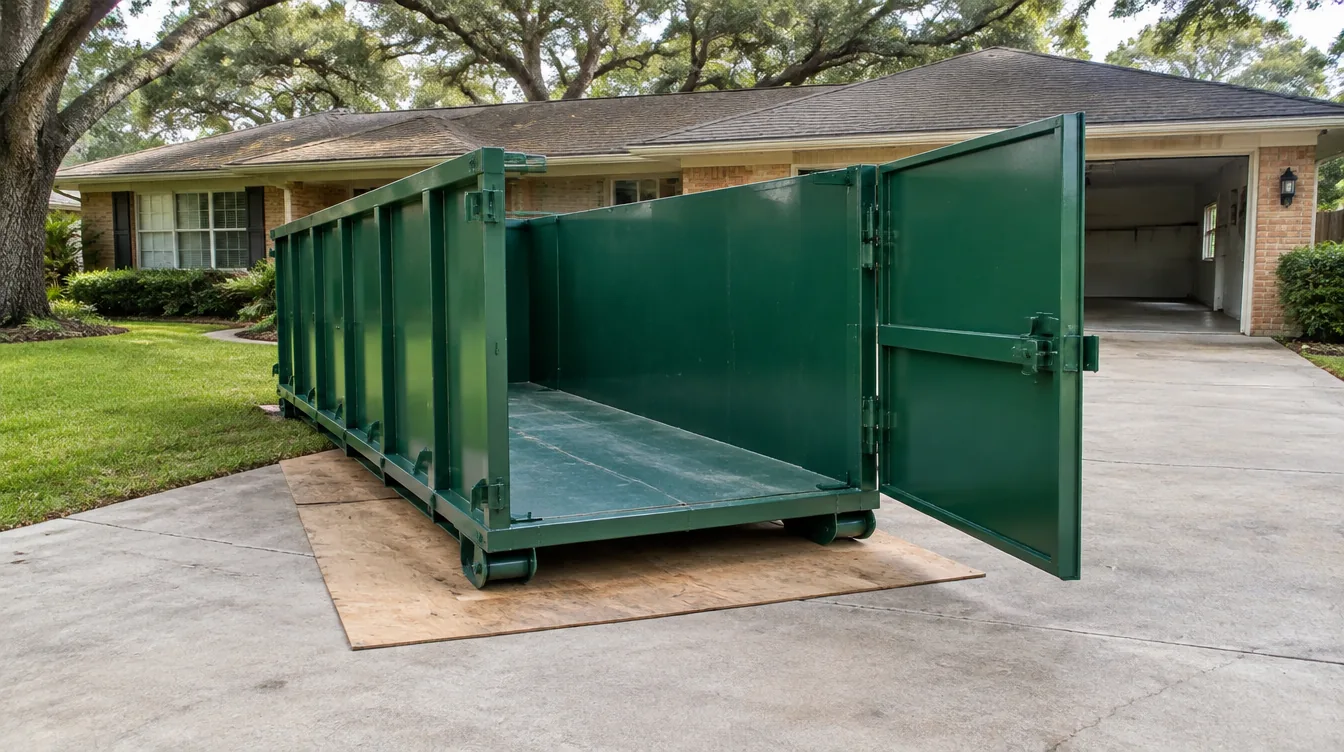
30 Yard Dumpster Rental in Spring Branch
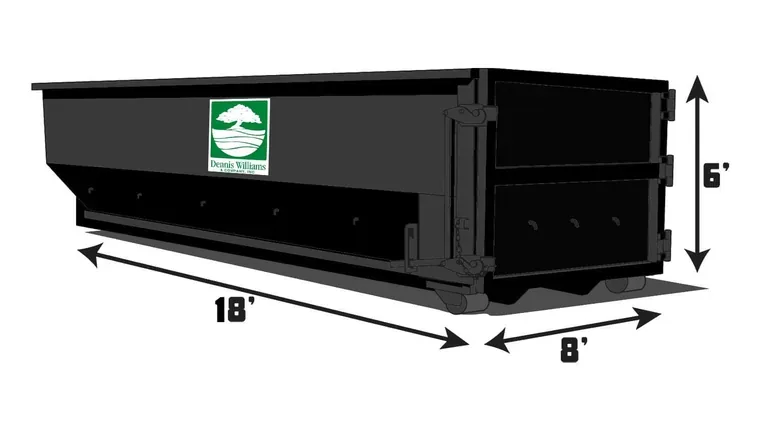
30 yard dumpster rental in Spring Branch offers more volume for bulky renovation and cleanup debris when the material and site are suitable. The published container is 18 feet long, 8 feet wide and 6 feet high; loading help is arranged separately, and more space does not mean unlimited weight.
Use the larger volume for a clearly described load
The 30 yard roll-off is a choice to compare when a project produces substantial bulky material. Renovation debris, a larger contents cleanup or a phased property project can justify looking beyond the smaller boxes. Start with what will go into it rather than assuming a large job automatically needs the largest available equipment.
Separate the estimate into material types and large objects. Cabinets, loose wood and intact furniture can occupy a lot of space without packing neatly. Dense material presents a different problem: it may reach the allowed load limit long before the nominal volume is used.
For property cleanouts, establish what may be discarded before treating everything on site as one load. For renovations, identify the tear-out materials and any later phases. That distinction helps compare one larger rental with a different container or a planned additional haul.
Understand the 18 foot footprint and 6 foot sides
| Measurement | Published dimension | Planning consequence |
|---|---|---|
| Length | 18 feet | Check the complete delivery and collection approach. |
| Width | 8 feet | Leave working space beyond the parked box. |
| Height | 6 feet | Compare loading method with lower-sided alternatives. |
Taller sides matter when people are moving material by hand. The rear door and loading route need to be part of the placement discussion, rather than expecting every item to be lifted over a sidewall. Explain where the material comes from and how you expect to move it to the box.
The truck needs operating space beyond the container dimensions. Include gates, tight turns, branches, overhead wires, awnings, slopes and surface concerns in the request. A large rectangle that fits on a driveway is only one part of a workable delivery plan.
Compare 30 and 20 yards by the whole loading job
The 20 yard container measures 16 feet long, 8 feet wide and 4 feet 6 inches high. It offers lower sides and a shorter published footprint than the 30 yard box. That comparison is useful when the cleanup is smaller or the loading method favors a lower-sided container.
Choose the 30 yard option for a suitable volume need, not to solve an unsuitable waste stream. Concrete and dirt require the designated 16 yard setup. A larger general-debris box cannot replace the material-specific limit or give a dense load extra permission simply because there is room left above it.
The 40 yard option is generally not delivered to residential sites. Moving up again is therefore not the default answer to a growing household cleanup. Discuss the actual materials, placement and hauling sequence through the container comparison rather than assuming every fleet size is available for every property.
Identify bulky objects, appliances and dense debris
Furniture, appliances, fixtures and unusual contents need specific identification and acceptance review. A tall container does not make every large object suitable. Include approximate dimensions and any handling concern in the project description, and arrange the people or equipment needed to move approved items separately.
Asphalt roofing material and shingles are prohibited. Keep out paint cans, liquids, whole used or scrap tires, gases or compressed chemicals, hazardous and medical waste, and carcasses. If a project combines interior renovation with roofing or exterior work, separate the waste plans before loading begins.
Concrete and dirt use the designated 16 yard setup with an actual loading limit for the material. Tile, brick, block and other masonry also need separate identification for review. The materials guide helps build a useful inventory instead of relying on a broad demolition-debris label.
Plan placement for the entire project period
A larger container can affect where vehicles park, where materials are delivered and how trades reach the building. Sketch the proposed location with those uses in mind. Keep the rear door usable and leave a practical carrying route from the cleanup area.
Mention restricted work hours, shared space and the person who can approve final placement. Resolve permission for common or public areas before scheduling. Do not treat a temporarily empty delivery area as available for the full rental period without checking who controls it.
Preserve the collection route as the project develops. New pallets, parked vehicles, temporary fencing or stacks of retained material can close an approach that was clear at delivery. Include the container pickup in the site plan until it has left, and use the delivery preparation checklist for the practical access details.
Arrange loading time and quote terms together
The 30 yard rental is self-loaded, with help arranged separately. Estimate how long the actual people doing the work need to sort, carry and load the approved material. Delivery alone does not begin a productive cleanup if the loading plan is unresolved.
Give the preferred dates and any fixed project deadline when requesting a quote. Confirm the rental period, collection process and extension terms for the order. There is no assumed included duration or universal extra-day fee. If the work may require more than one haul, include that in the comparison before scheduling.
The complete quote should cover the equipment, delivery, collection and disposal allowance, plus circumstances that can create additional charges. Material, weight, access and timing changes matter. The cost guide explains why equipment maximums and included disposal allowances are separate figures.
Technical detail: a bulky load can still have dense pockets
Why volume and material distribution both matter
A cubic yard measures space. Bulky irregular objects often leave empty pockets, while dense fragments can add substantial weight in a small portion of the box. The visual height of the load is therefore not a reliable statement of its allowed weight or its disposal allowance.
Describe all materials before selecting the container and follow the loading terms for the order. Do not use the unused airspace above dense material as a reason to keep adding weight. Where concrete or dirt is involved, the designated container plan applies from the beginning.
Keep the load inside the actual boundary
Keep material below the top rail and below any lower material-specific limit. Long pieces and loose objects should not turn the container into an overhanging pile. If the amount exceeds the agreed plan, discuss another solution rather than forcing the remaining waste above the boundary.
The operational boundary also includes the rear door and truck route. Keep the area around them clear as the box fills. A large load that remains within its material terms still needs a collection route that the delivery operation can use safely.
Request a 30 yard dumpster for a defined project
Send Long Point Roll-Off your Spring Branch ZIP, project description, material types, rough quantity and preferred timing. Include the proposed placement and any unusual access or handling needs. Explain whether the load is mainly bulky contents or renovation debris so the equipment comparison starts with the right problem.
Request a 30 yard dumpster quote. If lower sides or a shorter box would help, compare the 20 yard option before deciding on the larger nominal capacity.Answered Questions
Can a 30 yard dumpster take unlimited construction debris?
No. Nominal volume does not remove material-specific loading limits or the disposal allowance in the rental quote. Identify the debris before scheduling, keep it below the top rail or any lower limit and use the designated 16 yard plan for concrete and dirt.
Why compare the 20 yard if I want more room?
The 20 yard box has lower published sides and a shorter footprint. Those differences can make it worth comparing when the actual pile is smaller or the loading route matters more than extra volume. The 30 yard option adds space, but the site and material still have to fit.
Does ordering a larger container include more loading help?
Loading assistance is arranged separately regardless of container size. Plan the people, carrying route and handling needs for the approved material before scheduling delivery.