Remodeling Dumpster Rental in Spring Branch
Remodeling dumpster rental in Spring Branch gives your project a self-loaded container for reviewed renovation debris, with loading help arranged separately. Identify the actual materials before choosing a size: asphalt roofing material and shingles are excluded, while concrete and dirt require a designated 16 yard setup.
Describe the tear-out before you choose the box
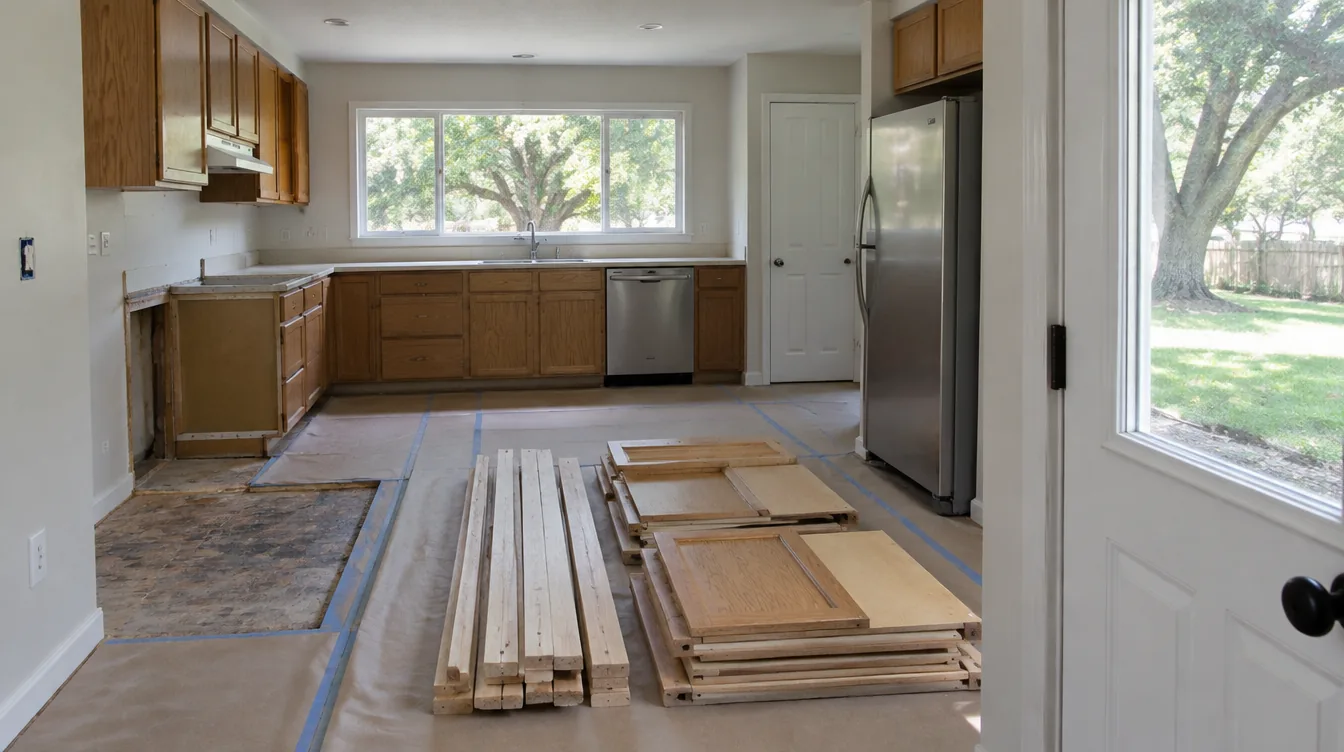
A renovation produces several kinds of waste that do not behave alike. Cabinets and framing can be bulky, drywall breaks into flat pieces and dense masonry adds weight quickly. Start the rental request with what is being removed rather than only the room name or the square footage of the remodel.
Separate the existing contents from the building material. An appliance, fixture or piece of furniture needs its own identification and acceptance review. Do not assume that because a container is suitable for renovation debris, every object removed during the renovation is automatically approved.
Give a rough quantity for each material and say whether the work happens at once or in phases. If demolition will reveal additional layers of flooring or old construction, explain that uncertainty in the project description. Planning for a possible change is more useful than hiding it inside a confident size guess.
Compare lower sides with more volume
For a smaller renovation, compare the 12 yard roll-off, measuring 10 feet long, 8 feet wide and 4 feet 6 inches high. It is the smallest published roll-off, but suitability still depends on the actual material and delivery access. Concrete and dirt do not go into it as a substitute for the designated heavy-material setup.
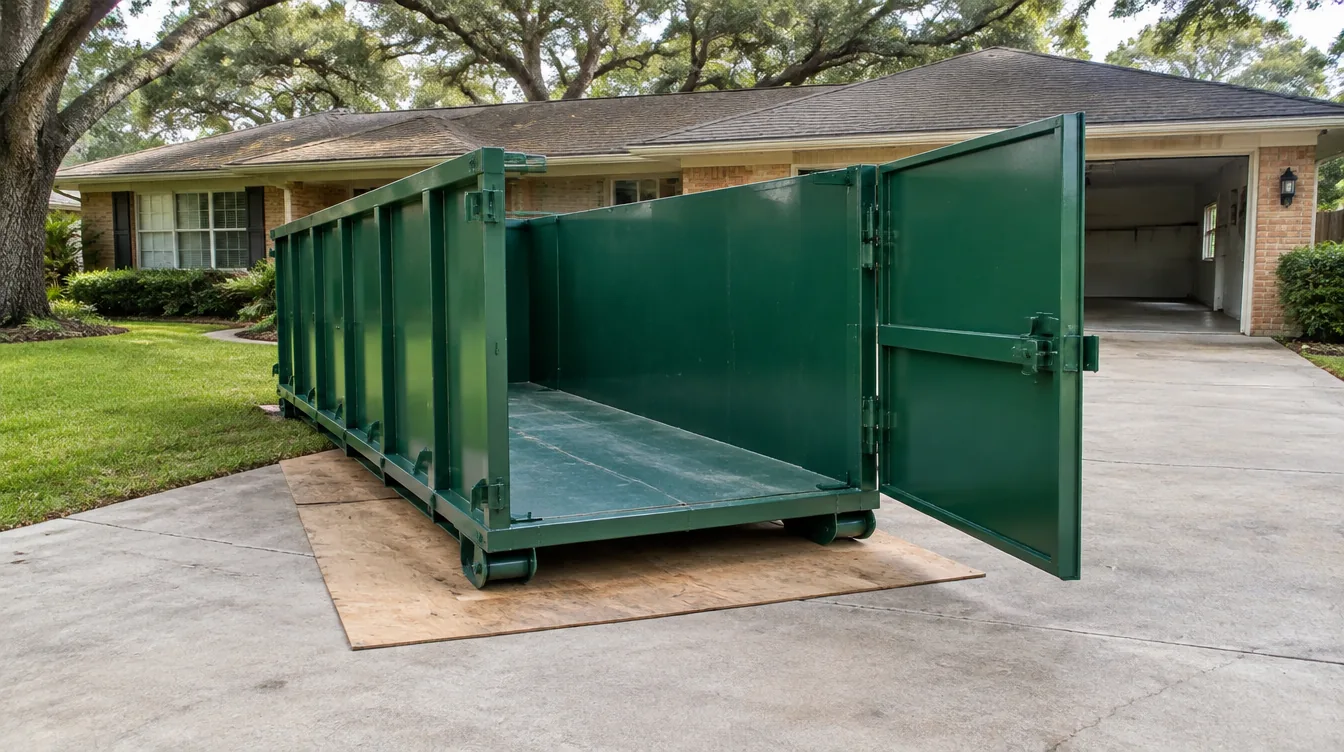
The 20 yard option measures 16 feet by 8 feet with 4-foot-6-inch sides. It provides another choice for medium cleanup and renovation work while retaining a lower side height than the 30 yard container. A rear door permits walk-in loading when the box is safely placed and the door is open.
The 30 yard option measures 18 feet by 8 feet with 6-foot sides. It is a volume option for bulky renovation and construction debris, not an unlimited-weight option. Compare how the crew will load it, where the rear door opens and whether the larger footprint serves the actual phase of work.
Keep dense material and prohibited waste out of the general plan
Concrete and dirt require the designated 16 yard container, measuring 16 feet long, 8 feet wide and 4 feet high. The actual material-specific loading limit can be lower than the top rail. A box that looks partly empty can already contain the allowed heavy load.
Identify tile, brick, block and other masonry separately for acceptance review. A broad phrase such as construction debris does not give those materials the same disposal terms as wood or drywall. Describe any mixture with soil, roots, packaging or household contents so the material discussion reflects the load being created.
Asphalt roofing material and shingles are excluded. So are paint cans, liquids, whole used or scrap tires, gases or compressed chemicals, hazardous and medical waste, and carcasses. If a remodel uncovers an unknown or suspect material, keep it separate until identified and handled through the appropriate route. Do not break it up or conceal it inside an ordinary load.
Stage demolition and new deliveries around the container
Place the box where material can travel from the work area without blocking the next trade. Plan the carrying route, rear-door opening and delivery-truck approach together. A container placed close to the doorway is only useful if people can still move through that doorway with the items they need to carry.
Look ahead to new cabinets, flooring or appliances arriving during the rental period. Their delivery vehicle may need the same driveway or unloading space. Mark where new materials will be stored so they do not block collection or get mistaken for debris.
Mention overhead wires, branches, awnings, gates, tight turns, slopes, soft ground and surface concerns with the placement request. The parked container dimensions are not a truck-clearance specification. The placement guide helps you describe the whole operation without assuming a universal access measurement.
Organize rental time around the work phases
A renovation schedule can change when material arrives late or concealed work takes longer. Request dates that reflect the expected demolition and loading sequence, then confirm the agreed rental period, collection process and any extension terms. Do not assume the container can remain until every part of the remodel is finished.
If the project needs several hauls, discuss that before loading begins. A staged plan can keep one phase's waste from occupying space needed by the next. The number of hauls and the material in each load also matter when comparing the total rental quote.
The rental is self-loaded. Demolition, carrying, excavation and loading assistance are separate scope questions. Make sure the person managing the remodel has assigned that work rather than expecting it to arrive with the box. A container solves the holding and hauling part of the process, not every task that creates the debris.
Compare price by scope, material and rental plan
A renovation quote depends on the container, material, rough amount, address and timing. A large pile of light packaging and a compact pile of dense tile can require different planning even when their visual size is similar. Share the full debris description rather than asking for a generic remodel rate.
Check delivery, collection, rental period and disposal allowance in the complete quote. Equipment maximums do not state how much disposal is included in the price. Ask which changes in weight, materials, access, rental time or hauling can create additional charges before committing to the plan.
You can leave the size undecided in your request. Include the project ZIP, room or project type, materials being removed and desired loading dates. The cost guide explains how to compare quotes without relying on an advertised starting price that may describe a different job.
Technical planning: density and the usable loading envelope
Why dense debris can reach its limit early
Density describes how much mass is packed into a given space. Concrete and soil are dense compared with loose packaging or many bulky cleanup items. Increasing container volume does not reduce the mass of those materials, which is why the designated 16 yard plan and its actual loading limit matter.
Describe dense material by type, approximate quantity and what is mixed with it. Avoid a generic load count based on someone else's vehicle or container. The useful estimate is the material you are removing, followed by the order-specific limit, rather than an assumption that everything below the rim is acceptable.
Why the top rail is only one boundary
The top rail marks the highest permitted loading boundary for ordinary approved debris, but a lower material-specific limit can control first. Leave debris below whichever limit applies. Long pieces should not project out in a way that defeats the load boundary or collection plan.
The loading envelope also includes working room around the container. Keep the rear door accessible and prevent stored supplies, vehicles or later construction from closing the truck approach. A ready load cannot be collected if the site has changed around it.
Request a remodeling container with a material list
Tell Long Point Roll-Off what will be removed, how much you expect, when demolition starts and where the container could sit. Call out concrete, dirt, masonry, appliances and unusual fixtures individually. A precise inventory gives the rental discussion a useful starting point and helps separate material that needs another route.
Request a remodeling dumpster quote with your Spring Branch project ZIP and preferred dates. For a job that is mainly clearing retained household contents, compare the property cleanout rental plan instead.Answered Questions
Can asphalt shingles go in a remodeling dumpster?
No. Asphalt roofing material and shingles are excluded from these rentals. Keep a roofing project separate from the renovation load description rather than assuming the construction category includes it.
Why does concrete need a different container?
Concrete is dense and can reach an allowed load limit before a general-debris box appears full. These rentals use a designated 16 yard setup for concrete and dirt, with a material-specific loading limit rather than automatic permission to fill it to the top.
Is a 30 yard container always better for a large remodel?
No. The 30 yard option adds volume and has 6-foot sides, but the material, footprint, loading method and agreed weight limits still matter. Compare the lower-sided 20 yard box and discuss phased hauls when the work creates different loads at different times.